Anti-Bullying
How to report bullying, what school will do next and where families can find support.
Every child should feel safe, included and listened to at Mapperley Plains. If you are worried about bullying, unkind behaviour or your child being left out, please tell us. You do not need to decide whether something counts as bullying before asking for help.
Report a concern
Speak to your child's class teacher first. If you need to arrange a conversation, telephone the school office on 0115 964 9360. Tell us what happened, when and where it happened and how your child has been affected. We will listen and take the concern seriously.
Children can tell any trusted adult in school, including a teacher, teaching assistant or member of the Play Team. They can also write or draw their worry or ask an adult to help them explain. We will make adjustments for children who find communicating difficult.
If a child is at immediate risk, contact school without delay using our safeguarding information. In an emergency, call 999.
What happens next?
We will listen to the children involved, establish what happened and record the concern. We will consider immediate safety needs, respond under our behaviour and safeguarding arrangements and put appropriate support in place. We will then follow up to check whether the behaviour has stopped and the child feels safe.
We will explain actions relating to your child, although we cannot share confidential details about other children. If the problem continues, please tell us again. If you are dissatisfied with the response, ask for a senior leader to review the concern or use our Complaints Procedure.
What do we mean by bullying?
We use the Anti-Bullying Alliance definition: repeated, intentional hurt where there is an imbalance of power. It can happen in person or online. Examples include physical harm, name-calling, threats, spreading rumours and deliberate exclusion.
Friendship difficulties and one-off harmful incidents may not meet this definition, but they still need a response. Discriminatory language, sexual harassment and other serious behaviour are never dismissed as 'just banter'.
Helping your child at home
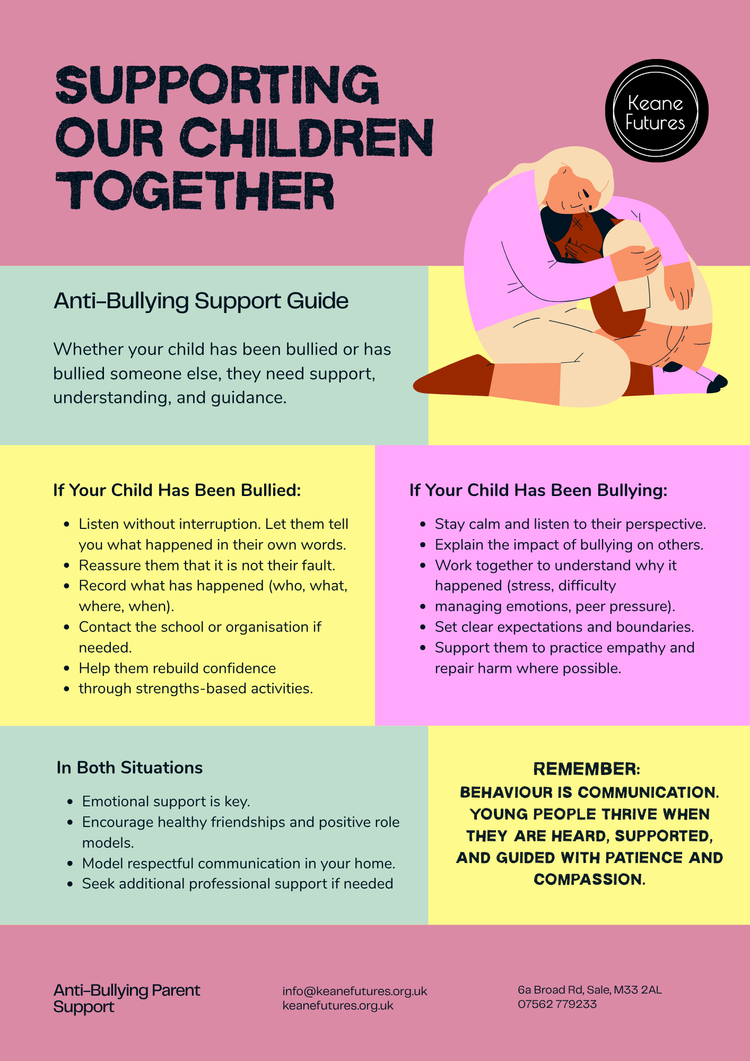
Listen, thank your child for telling you and make a brief note of what happened and when. Share concerns with school rather than encouraging retaliation. If your child has hurt someone else, we will work with you to understand the behaviour and help them make changes.
The illustrated parent guide below offers practical advice for both situations.
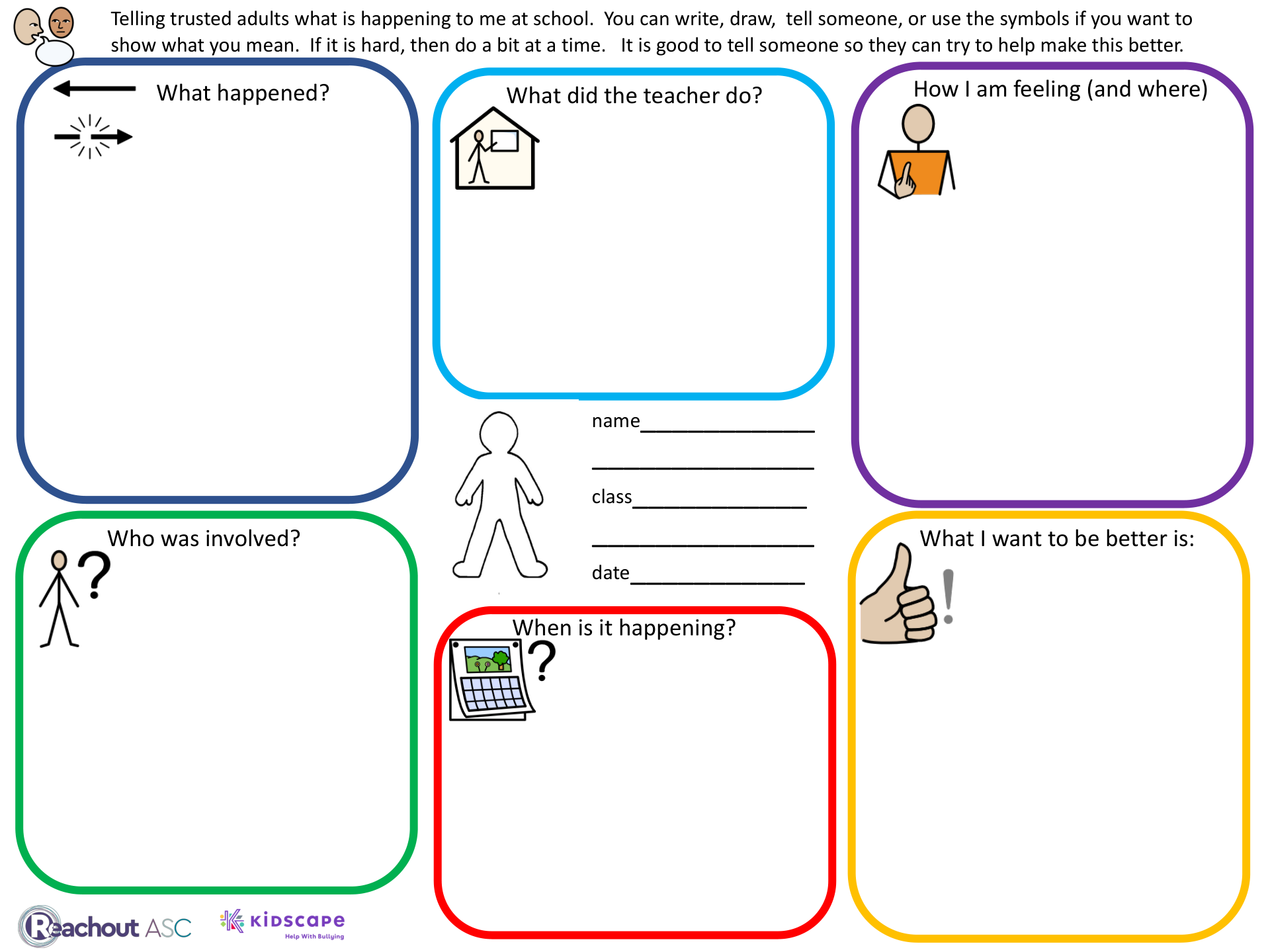
Helping your child tell us what happened
Some children find pictures, symbols or short written notes easier than speaking. This accessible guide can help you talk together and share a worry with school. Completing it is optional.
Bullying online or outside school
Please tell us if incidents involving children from school are affecting your child's safety or school life. Keep relevant messages or usernames and report harmful content through the app or service. Do not copy or forward sexual images of children. Use our Safeguarding page for such concerns and see our Online Safety guidance.
How we prevent bullying
Our Mapperley Mission makes kindness central to school life. Through PSHE and RSHE, assemblies, Anti-Bullying Week, school council discussions and everyday play, we teach children about respectful relationships, difference, trusted adults and speaking up. We review reported incidents to identify patterns and improve practice.
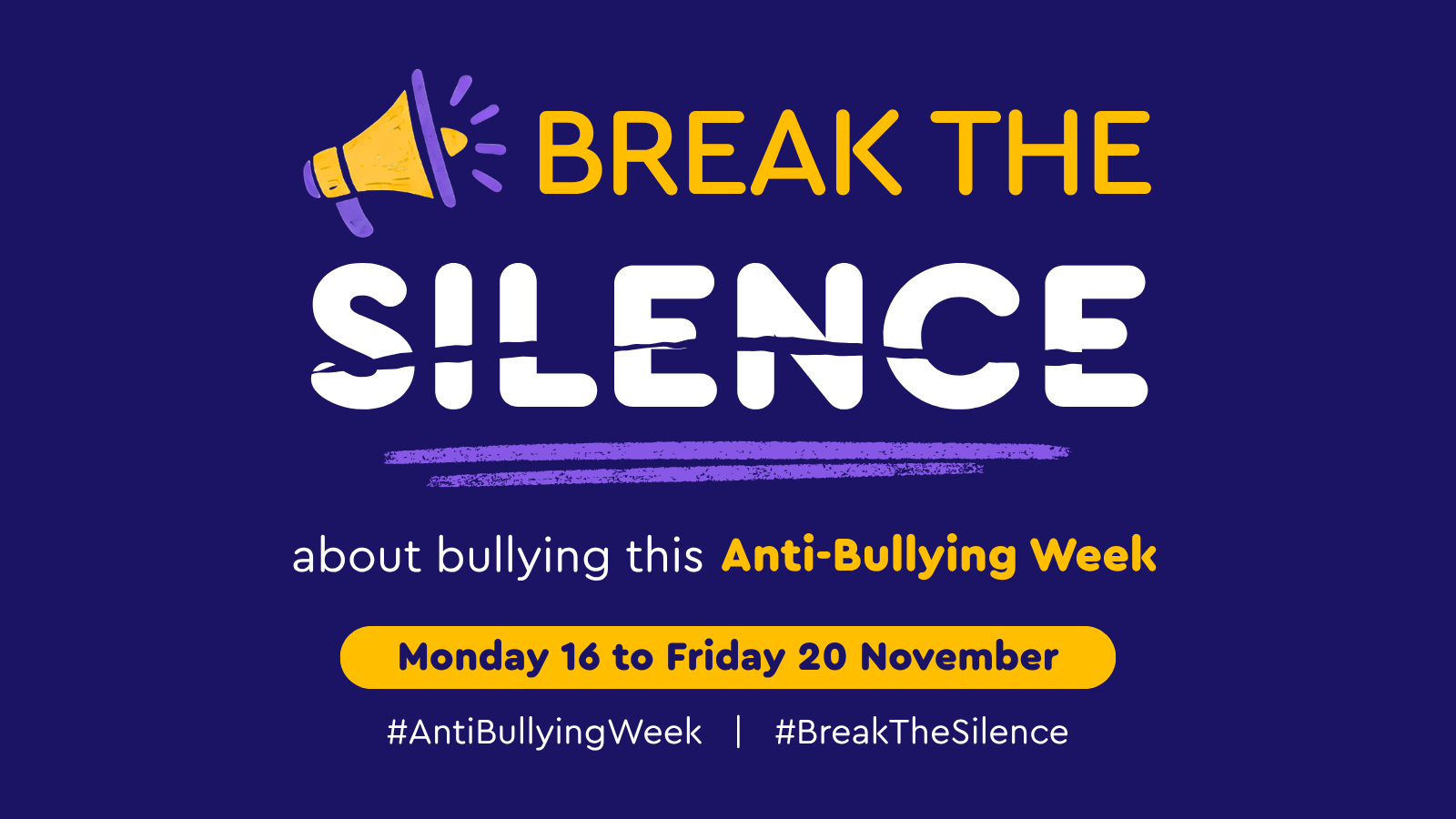
Anti-Bullying Week 2026: Break the Silence
From 16 to 20 November, the Anti-Bullying Alliance is encouraging children and adults to speak up about bullying, listen and take action. At Mapperley Plains, children can tell any trusted adult whenever something is worrying them, not just during Anti-Bullying Week.
Policy and further support
You can read the currently published Anti-Bullying Policy alongside our Behaviour Policy. The resources below provide additional advice, including our parent and carer Padlet. Please contact school directly to report a concern.
Advice for families
- Anti-Bullying Alliance: advice for parents and carers
- NSPCC: signs of bullying and ways to support your child
- NottAlone: bullying advice and local support
- Anti-Bullying Alliance: if your child is accused of bullying
- Childline: help for children worried about bullying
- MPPS collection of anti-bullying resources