
Dates and Attendance
Report an absence, find school dates and get support with illness, punctuality or worries about coming to school.
Dates and the school day
Being in school helps children follow their learning, build friendships and feel part of their class. If getting to school is becoming difficult, please tell us early. We want to understand what is happening and work with you on the next steps.
Getting to school on time
Children in Reception to Year 6 start school at 8.50am. Arriving ready for the start helps children settle with their class. If you arrive after classes have gone in, please come to the office so your child can be signed in.
Preparing bags and clothes the evening before and keeping a familiar morning routine can help. If transport, caring responsibilities or other practical difficulties are affecting the journey, speak to the office. Our Family Support pages include help with money, school costs and family life.
Illness and medical appointments
Children who are too unwell for school should stay at home. The NHS guide to illness and school helps you decide when a child can attend and when they should stay off. For vomiting or diarrhoea, the advice is to stay away until at least 48 hours after the last episode.
A doctor’s note is not routinely needed for an ordinary short illness. If more information is needed to understand repeated or longer-term illness, we will discuss appropriate evidence and support with you.
Arrange medical and dental appointments outside school hours where possible. When this is not possible, tell the office in advance and keep the time away to what is needed for the appointment. Your child can attend before or afterwards if they are well enough.

When coming to school feels difficult
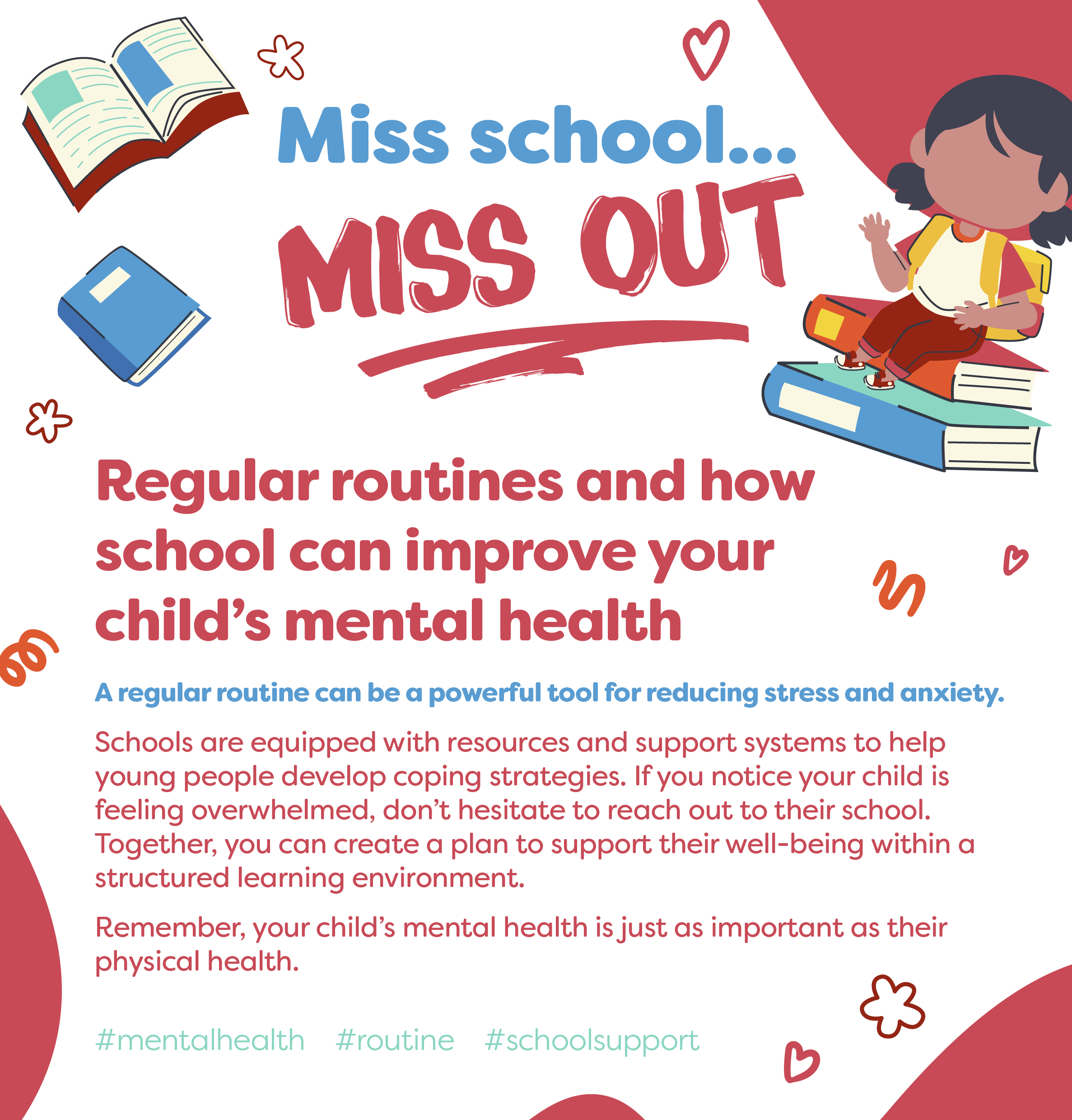
Some children become very worried or distressed about coming to school or staying for the day. This is sometimes called emotionally based school avoidance, or EBSA. Please speak to your child’s teacher or ask the office to put you in touch with our attendance lead. You do not need to know the cause or wait for a diagnosis before asking for help.
Tell us:
- when things feel hardest, including the evening before or the journey to school
- what your child says or shows and anything they find difficult to explain
- what seems to help and whether something has changed at home or school.
We can listen to your child and discuss learning, friendships, health, routines and any adjustments that may help. Together we can agree practical next steps and review how they are working. Keep the office informed about absences while support is being arranged.
Our SEND page explains support with additional needs. If bullying may be involved, use our reporting and support information so we can look into the concern.
Working together on attendance
If your child is absent and we have not heard from you, we will try to contact you to check they are safe and understand what has happened. Please keep your telephone numbers and emergency contacts up to date.
Schools describe missing 10% or more of possible school sessions as persistent absence, including authorised absence. This helps identify children who may need additional support. Please talk to us whenever there is a difficulty; you do not need to wait for attendance to reach a particular level.
After an absence, speak to the teacher about anything that would help your child settle back into class.
Further help
- Nottinghamshire Educational Psychology Service: resources to help understand school worries and emotionally based school avoidance.
- YoungMinds: practical advice for parents when anxiety is affecting school attendance.
- Ask Us Nottinghamshire: independent information and advice for families of children with additional needs.
Our health guide has NHS advice contacts. Our children’s mental health and wellbeing page explains local emotional support and urgent help.
Policy and planned leave
The Attendance Policy (PDF) sets out the school’s attendance arrangements. For a discretionary absence such as a term-time holiday, see how to request leave, which explains individual consideration and unauthorised absence.
Please ask the office for a paper copy or help accessing this information.