English
How children learn to read, write, speak and listen at Mapperley Plains, with phonics help and book recommendations for families.
At Mapperley Plains, English begins with sharing a story and having something to say. Children learn to listen, talk, read and write so they can enjoy books, understand other people and express their own ideas.
Reading help and resources
Stories, talk and early reading
In Nursery, stories, rhymes and conversation build the language children need for reading and writing. Drawing and making marks give them ways to share an idea before they can write it in words.
Reception and Year 1 children learn phonics through Little Wandle Letters and Sounds Revised. Reading books are matched to the sounds they know so they can put their learning into practice.
Reading as children grow
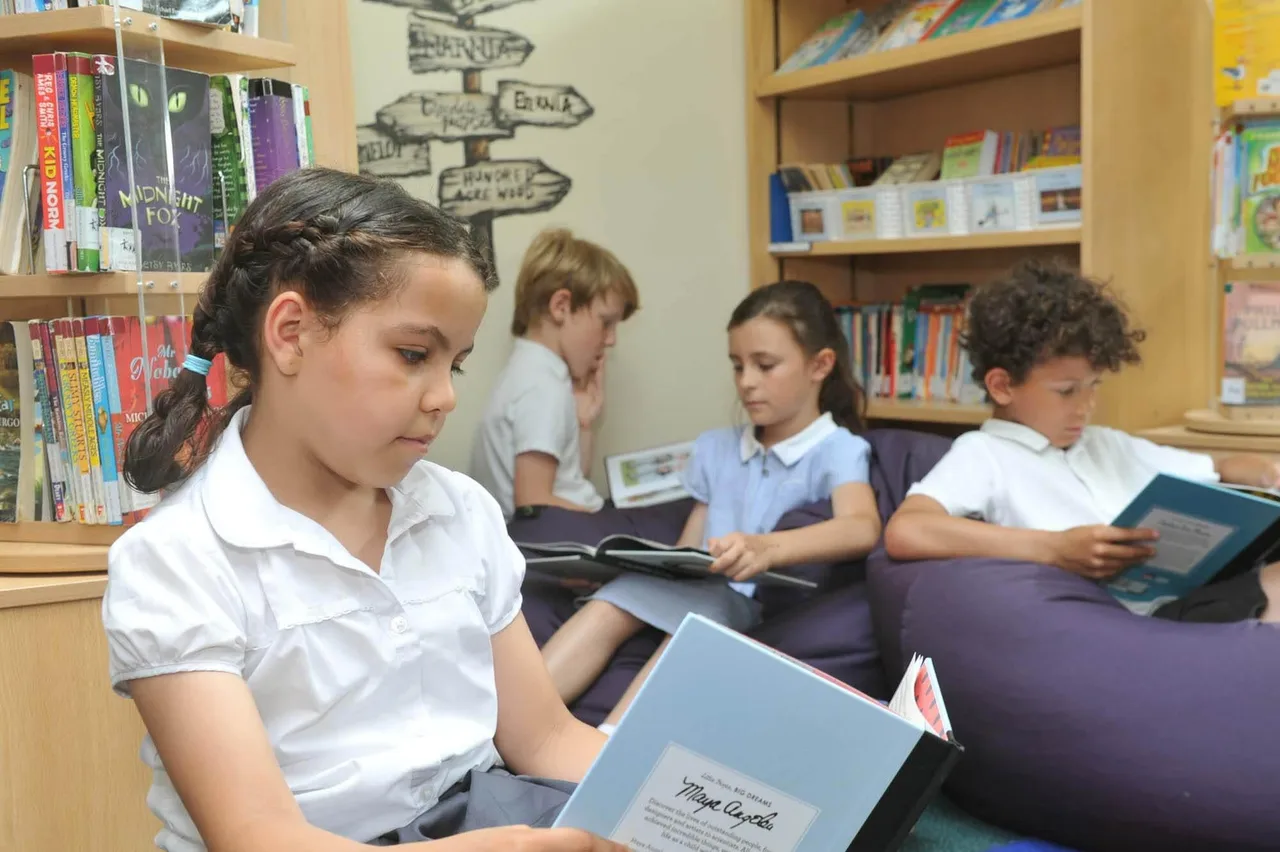
Teachers read aloud to their classes every day. Classroom reading areas and our school library give children books to browse, choose and return to. We want them to find favourites and enjoy recommending a book to someone else.
Reading lessons help children explore a text more closely. They discuss unfamiliar words, make predictions and look for clues about characters and events. As they grow in confidence, children explain their ideas using evidence from what they have read.
Writing with purpose
Books give children plenty to think and write about. They talk through ideas, act out scenes and rehearse sentences before putting words on the page. Younger children use drawing and storytelling to invent characters or change what happens in a story.
Teachers show how a piece of writing takes shape, from choosing words and building sentences to rereading and making changes. Children learn to think about their reader and what they want to explain, describe or tell them. They also use writing in other subjects to share what they have learned.
Spelling and handwriting
Children practise spelling patterns and learn how punctuation and grammar help a reader understand their meaning. Handwriting begins with pencil control and letter formation, with joining introduced when children are ready.
Working together
Share books at home, talk about favourite moments and give writing a purpose through a note, an invitation or instructions for a game. Our book lists above can help you find something new to enjoy together.
Please speak to the class teacher if reading or writing is difficult or worrying your child. Teaching and extra practice are adapted to what each child needs, with wider support explained on our SEND page.
Writing remains a school improvement priority, with a focus on secure sentences and helping children use what they have learned independently.