
Keeping Your Child Safe
Practical conversations and precautions for home, with clear routes to online safety, bullying and safeguarding advice.
Small conversations help children know who they can turn to and how to ask for help. This guide brings together practical ideas for home, with routes to our school reporting information and specialist advice.
If you are worried about a child’s safety
If someone is in immediate danger, call 999. Our Safeguarding page explains who to contact at school and has local children’s social care and out-of-hours routes. Please do not wait for school to reopen if a child needs urgent protection.
Help your child talk about worries
Talk about the adults your child can approach at home and in school. Let them know they can tell another trusted adult if they still need help. Children should not have to manage a frightening or uncomfortable situation alone.
If your child tells you something worrying:
- listen calmly and thank them for telling you
- give them time to explain in their own words, or through writing or drawing
- reassure them that asking for help was the right thing to do.
Avoid promising to keep a worry secret, as you may need to involve someone who can help protect them. Share a safety concern through the safeguarding routes above.
Body safety and personal boundaries
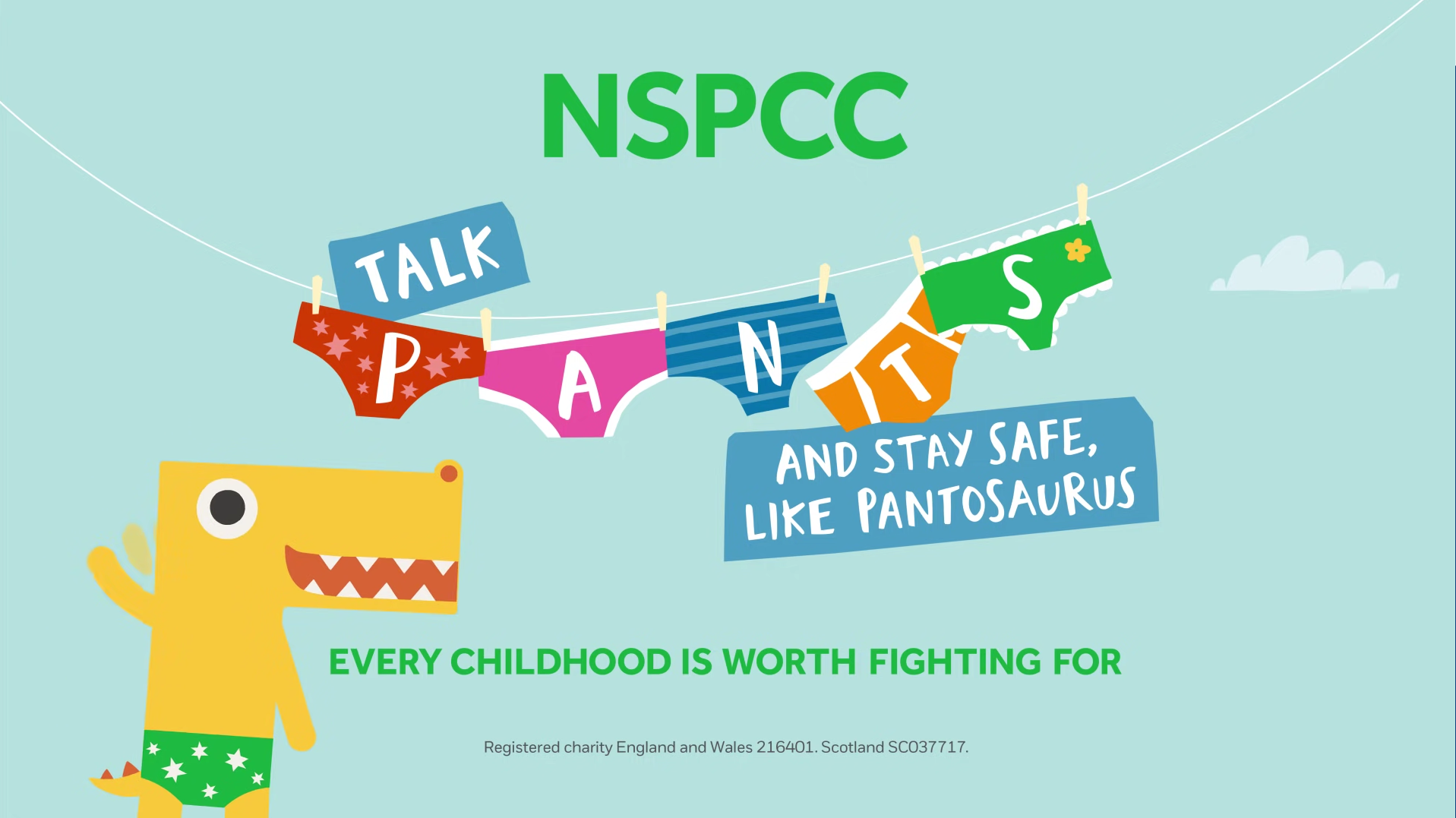
The NSPCC’s Talk PANTS guidance gives parents and carers age-appropriate ways to talk about private parts, personal boundaries and telling a trusted adult if something feels wrong.
Choose a calm moment for a short conversation and leave room for questions. You can return to the subject as your child grows. The provider’s guidance explains the words and activities it recommends, including how to talk about situations involving care or medical help.
Safety at home and when you are out
What a child can reach, open or climb changes as they grow. It is useful to look around familiar places again when their skills and independence change.
Some starting points are:
- keeping medicines, household chemicals, button batteries and small powerful magnets away from children
- agreeing who is supervising children around water
- practising the school journey together and talking about safe places to cross and wait.
The Child Accident Prevention Trust has practical advice on these risks, including burns, choking, water and road safety. Use its topic guides for the detailed precautions that apply to your child and surroundings.
Games, messages and online experiences
Ask your child to show you what they enjoy online and how they would get help if something worried them. Set up accounts and settings together and keep the conversation going as their interests change.
Our Online Safety guide for families explains parental controls, gaming, group chats, AI and reporting concerns. There is also an online safety page written for children that you can explore together.
Bullying and friendship worries
Please tell your child’s teacher if they are being hurt, threatened or deliberately left out. You do not need to decide whether an experience is bullying before asking for help.
Our Anti-Bullying page explains how to report a concern, what happens next and how to help your child at home. For wider worries about feelings or behaviour, use our wellbeing information.