
Parenting and Family Life
Routines, relationships and changes at home, with help for bereavement, young carers and different family circumstances.
You do not have to wait for a situation to become a crisis before asking for support. If family life is affecting your child’s sleep, mood or time at school, please speak to their teacher. The school office can arrange a private conversation.
Making everyday routines more manageable
Getting out in the morning, mealtimes and bedtime can feel different from one week to the next. Start with one part of the day that is difficult and think about what your child needs to understand or practise.
You could try:
- explaining what will happen next in a few clear steps
- giving time to finish one activity before starting another
- noticing and encouraging the parts your child is beginning to manage.
If a routine is still difficult, tell us what happens and what you have already tried. A pattern you notice at home may help us understand how your child is managing the school day. Our health, sleep and development guide explains where to get health advice.
Finding parenting support
Nottinghamshire’s Family Hubs offer advice about routines, behaviour, relationships and child development. They can explain their current parenting courses and help families find more specialist support where needed. Use the parenting and family support information or find your local Family Hub team, including Gedling services.
The Families Information Service can help with childcare, funding information and activities for families. If you live in Nottingham City, its Families Information Service is a starting point for services in your area.
Separation, bereavement and changes at home
Please let the teacher know about a change that your child may need help with. You can tell us the words your child is using, anything they are worried about and any changes to collection or home routines. This gives us a starting point for discussing support with you.
Relationships Really Matter has advice about managing parental disagreements and parenting together when separating or living apart.
After a bereavement, the Children’s Bereavement Centre offers information about local support. Its website explains the areas it serves and how to make a referral. Our wellbeing page has further school and local support routes.
When your child helps care for someone
Some children regularly help look after someone at home. Please tell their teacher if caring responsibilities are affecting their rest, friendships, learning or attendance so we can understand what is happening.
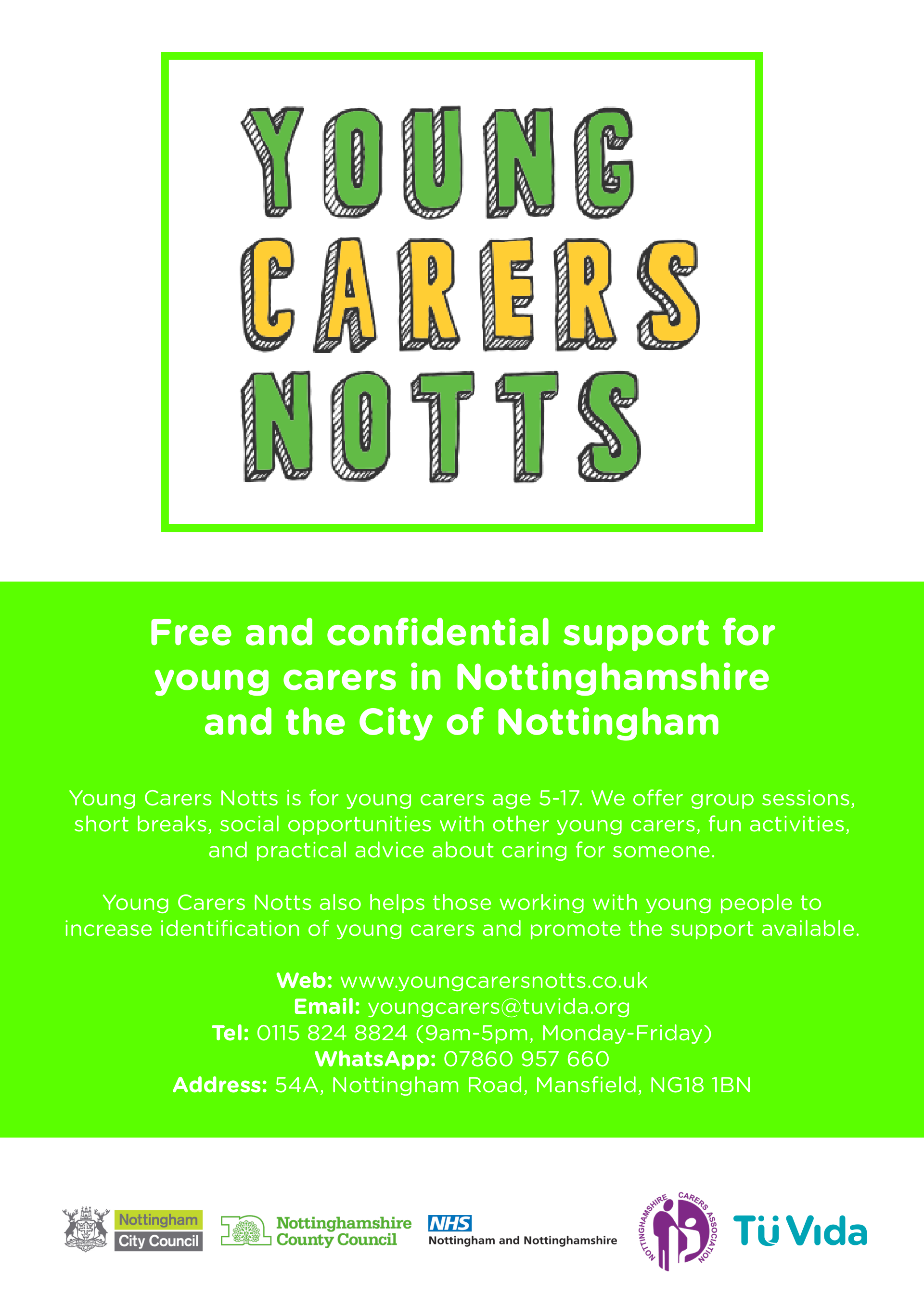
Young Carers Notts offers information and support for children with a caring role, including opportunities to take a break and meet other young carers. Its website explains who the service supports and how to get in touch.
Young Carers Notts supports children aged 5–17. Call 0115 824 8824, Monday to Friday from 9am to 5pm, or email youngcarers@tuvida.org.
Kinship, adoptive and foster families
Kinship care is when a relative, family friend or someone connected to a child takes on their care. Nottinghamshire’s Kinship Support Service explains the help available for different arrangements, including informal care.
CATCH’s free-resource collection includes information for adoptive, foster and kinship families.
If a parent is in prison, Spurgeons’ guidance and animations can help adults talk with a child about what is happening. You can ask to speak privately with school about anything your child may need us to understand.
If a relationship feels unsafe
Fear, threats and controlling behaviour need a different response from ordinary disagreements. The council directory has local domestic abuse support for women, men and children. If anyone is in immediate danger, call 999.
Simple ways to connect with your child
Spending a little time doing something your child enjoys can give you opportunities to talk and build connection. The activity does not need to be complicated or expensive.
Small everyday moments matter
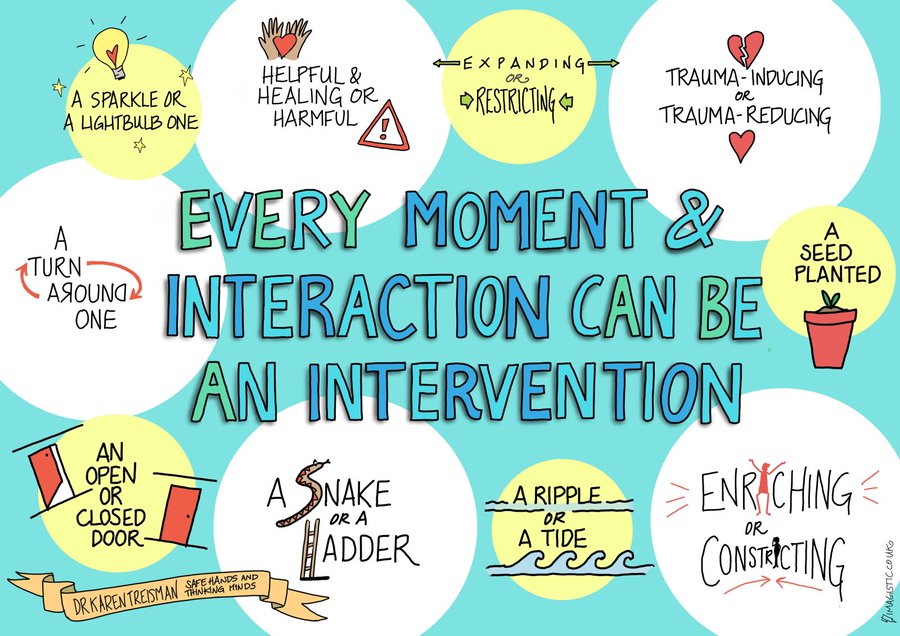
You do not need a special activity to connect. A greeting, a shared game or a few minutes listening to something your child wants to tell you can make a difference.
Ideas to try together
- Let your child choose a short game and take the lead.
- Draw, build or make something together without worrying about getting it right.
- Share a story or take a short walk and talk about what you notice.
For more ideas, see Dr Karen Treisman's games and activities for adult–child interactions (PDF). Choose ideas that fit your child's interests and needs. They can adapt the activity or decide not to take part.