Music
Singing, instrumental learning, performing and making music together, with information about tuition, ensembles and our music development plan.
Children sing, play instruments, compose and perform throughout their time at Mapperley Plains. Music is led by our music specialist, with opportunities to make music in lessons and share it with other people.
Learning to make music
In Nursery and Reception, songs, rhymes, movement and classroom percussion help children listen, respond and explore sound. Singing continues across school as children learn to control their voices and perform together.
Children develop their understanding of pulse, rhythm, pitch and other musical ideas through listening and practical work. They learn to read and use notation, try out a musical idea and make changes as they rehearse. Sing Up supports our curriculum, particularly in the younger years.
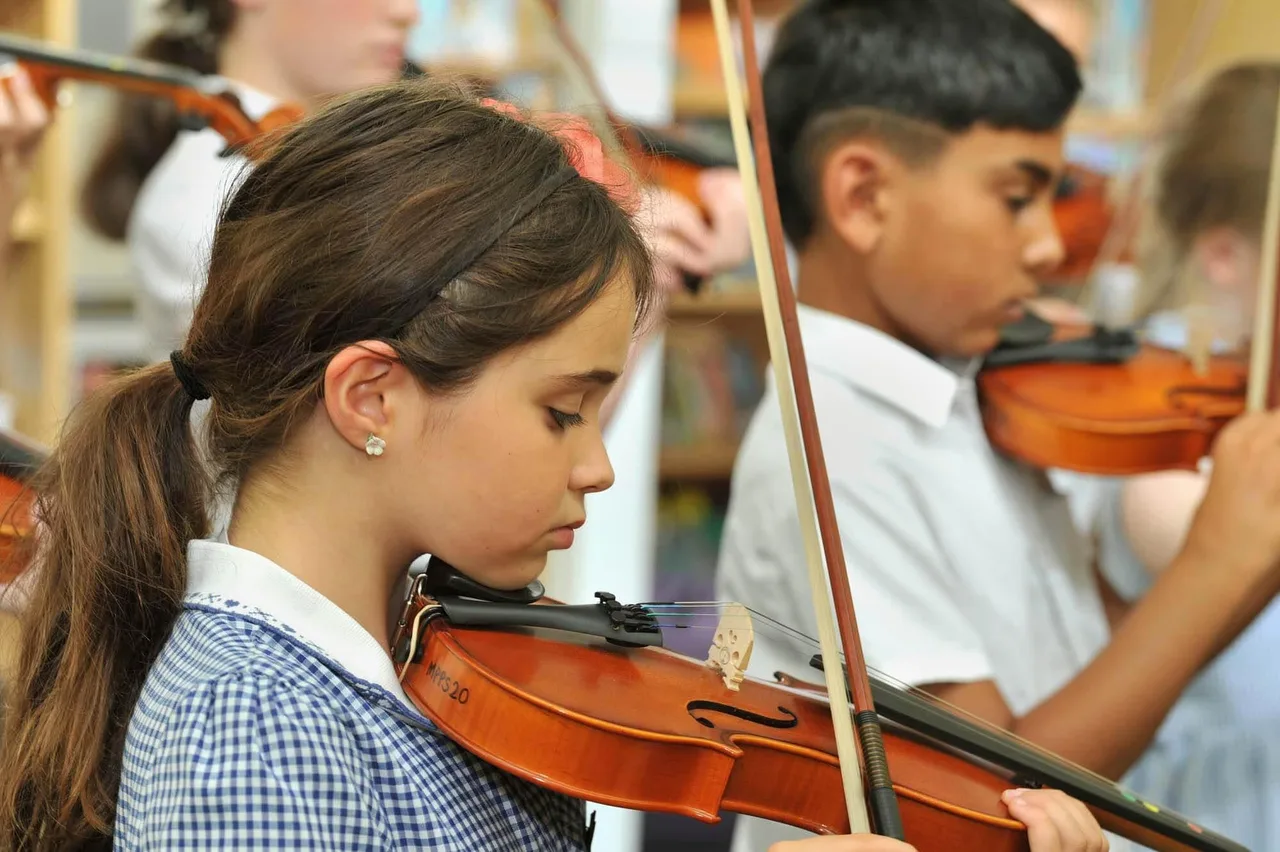
Whole-class instrumental learning includes violin, with opportunities to continue in smaller groups as children progress. Tuned and untuned percussion, recorders, keyboards and music technology provide other ways to develop their playing and create music.
Singing and performing together
Assemblies, productions and school concerts give children a reason to practise and something to work towards. Choir and recorder groups also perform in the local community.
Our links with the Nottingham and Nottinghamshire Music Hub, led by Inspire, and other music organisations extend the opportunities available. These include ensemble experiences and hearing live music. The annual plan below gives the current year-group arrangements.
Developing an interest
Visiting instrumental teachers offer additional lessons. Parents pay those teachers directly for tuition, while the school choir and school-led recorder groups are free of charge.
Please contact the school office if your child is interested in an instrument or ensemble. We can explain the opportunities, entry arrangements and any costs before you decide.
Helping children take part
Children may need a different way to hold or play an instrument, more time to rehearse, visual prompts or other support. Please tell the music lead or class teacher about anything that would help your child join in, including a sensory, physical or communication need.
Cost and practical arrangements can also affect participation. Speak to us privately if these are a concern so we can discuss the options.
Our music development plan
The 2026–2027 plan describes curriculum music, tuition, ensembles and musical experiences. It also identifies work to strengthen learning across mixed-age classes, improve access and develop further opportunities beyond lessons.
The curriculum statement and learning map below explain our aims and how musical knowledge and skills build across school.
Music development plan: 2026–2027
Music curriculum documents
The curriculum aims explain our approach to music. The learning map follows musical knowledge and skills across school.